Sell
Securing the right agricultural land and storage infrastructure is fundamental to optimizing crop yields and maintaining post-harvest quality.
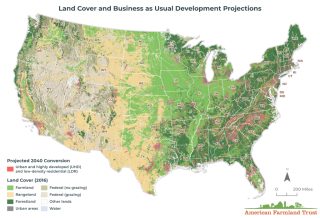
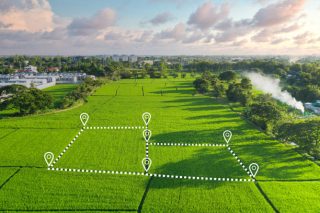
Agricultural land is categorized by its suitability for cultivation, ranging from highly fertile arable land for annual crops to pastures and perennial plantings. The selection of land depends on soil composition, climate conditions, topography, and access to irrigation. Key quality parameters include soil fertility, pH level, and organic matter content, which directly impact crop productivity and determine the type of farming feasible.
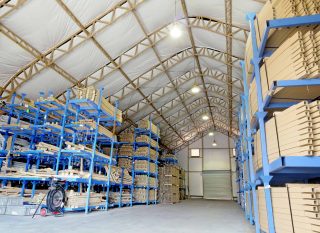
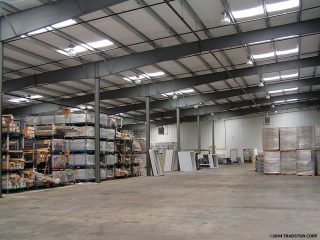
Agricultural storage facilities, such as grain elevators, dry warehouses, and refrigerated units, are crucial for preserving harvested crops and minimizing losses. High-quality storage must ensure precise temperature and humidity control, effective ventilation, and robust pest protection. When evaluating these facilities, buyers must check structural integrity, aeration systems, and compliance with sanitary and phytosanitary safety standards.
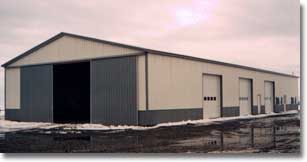
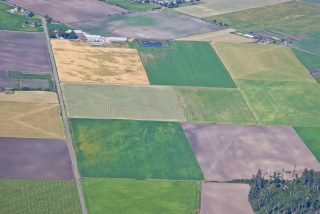
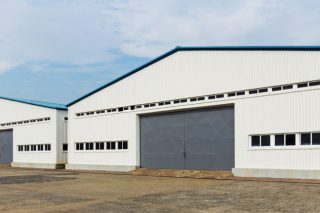
Agricultural land is divided into arable land, pastures, hayfields, and orchards. Storage facilities include vertical grain silos, horizontal warehouses, cold storage rooms for perishables, and universal hangars.
Crucial parameters include soil texture, humus content, nutrient availability (nitrogen, phosphorus, potassium), pH level, groundwater depth, and relief characteristics that affect water drainage and erosion risk.
Verify the operational state of the ventilation, temperature monitoring, and loading/unloading systems. Additionally, check for signs of moisture infiltration, structural cracks, and pest infestation in the silo walls and foundation.
Prices are primarily influenced by geographic location, soil fertility index, proximity to transport hubs, utility connections, and the technical condition of existing storage infrastructure.
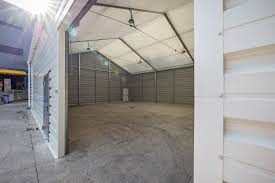
Silos are used for bulk grain and oilseed storage; refrigerated warehouses preserve fruits, vegetables, and dairy; while ventilated horizontal hangars are ideal for root vegetables, hay, and agricultural machinery.
Transactions require land title deeds, official cadastral plans, soil quality passports, certificates showing the absence of liens or mortgages, and valid environmental compliance audits.
A frequent error is underestimating the ventilation capacity and humidity control requirements, which leads to mold growth, grain heating, and severe post-harvest crop degradation.