Sell
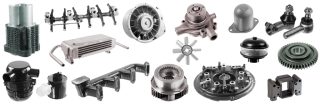
Modern agricultural machinery and high-quality replacement parts form the backbone of efficient and productive farming operations.
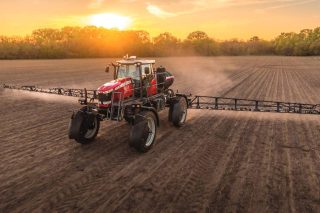
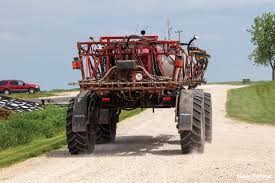
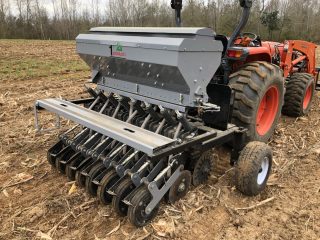
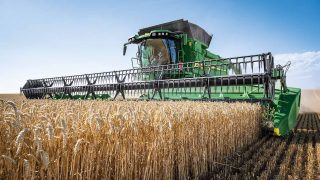
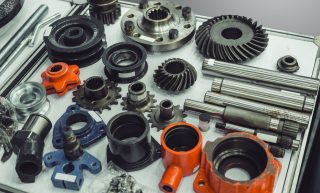
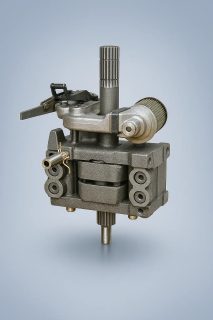
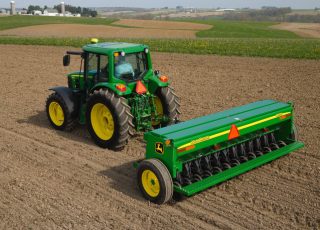
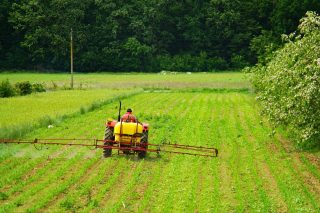
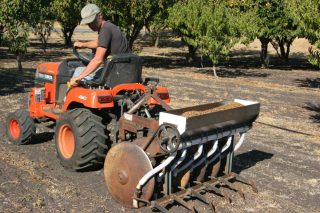
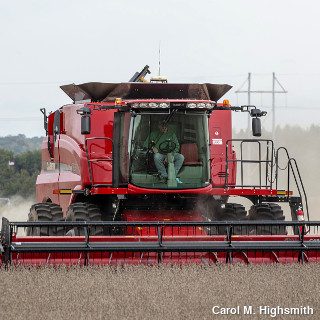
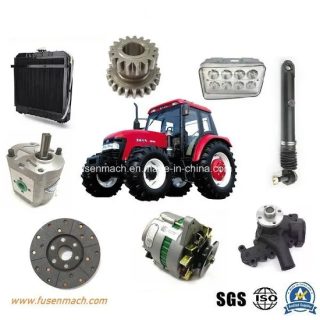
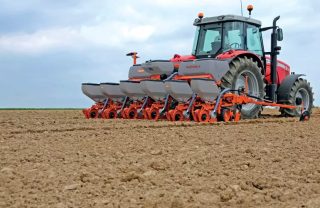
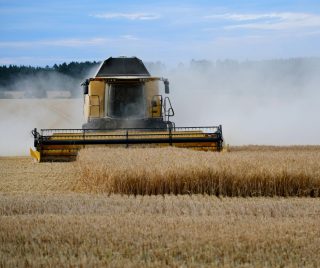
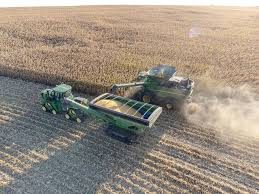
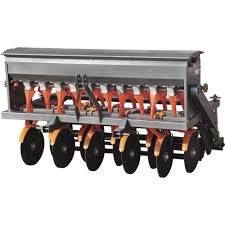
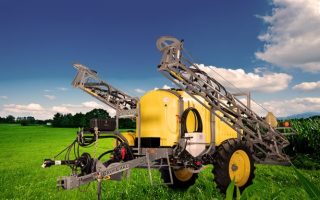
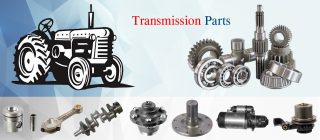


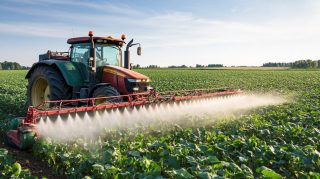
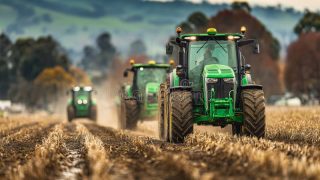
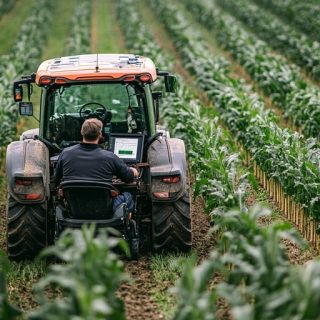
Agricultural machinery encompasses a broad spectrum of equipment, ranging from powerful tractors and combine harvesters to specialized implements like plows, seeders, and sprayers. Each type of machinery is designed for specific seasonal tasks, including soil preparation, sowing, crop protection, and harvesting. To maintain high operational efficiency, farmers rely on a steady supply of spare parts, which can be categorized into original equipment manufacturer (OEM) components and aftermarket alternatives.
When selecting agricultural equipment and components, durability, compatibility, and ease of maintenance are paramount. High-grade machinery utilizes wear-resistant alloys and robust hydraulic systems capable of enduring demanding field conditions. Key price drivers include the brand reputation, technological complexity (such as GPS guidance and automated controls), engine power, and whether the parts are genuine or generic replacements.
Assess your farm's acreage, soil type, and the specific crops you cultivate. Ensure the equipment's horsepower and capacity align with your operational needs, and verify the local availability of spare parts and service support.
OEM parts are made by the machine's manufacturer, ensuring perfect compatibility and original quality, though they are usually more expensive. Aftermarket parts are produced by third parties, often offering a cost-effective alternative, but require careful verification of specifications.
Prices are primarily determined by the equipment's brand reputation, manufacturing year, technical specifications (like engine power and automation capabilities), wear levels for used items, and current supply chain demands.