Buy
Oilseeds, including sunflower, rapeseed, and soybeans, form the backbone of the global vegetable oil and animal feed industries.
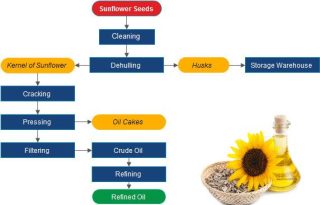
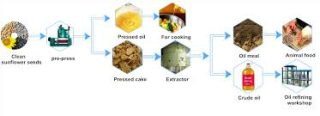
Oilseed crops are primarily purchased by agricultural processing plants, oil extraction mills, and feed manufacturers. These buyers process the seeds to extract crude or refined vegetable oils for human consumption, while the remaining oil cake and meal serve as high-protein components for livestock feed. Export companies also actively procure oilseeds to supply international markets, making these crops highly liquid commodities.
The purchase price of oilseeds is highly sensitive to quality metrics and global market trends. Currently, standard grade oilseeds trade in a tight range of approximately 390 to 434 USD per metric ton, depending on the specific crop and shipping terms. Key factors influencing this valuation include supply volume, seasonal harvests, transport logistics, and international oil price benchmarks.
Processors look closely at oil content, moisture levels, and impurity percentages. High moisture leads to storage degradation, while excessive weed seeds or damaged kernels reduce oil yield and increase refining costs. Standard trading contracts define baseline parameters, and any deviations result in price discounts or rejection of the lot.
Sunflower seeds, rapeseeds (canola), soybeans, and flaxseed are the most widely traded oilseeds, each serving specific food, feed, or industrial markets.
Buyers primarily measure oil content (on a dry matter basis), moisture content (typically requiring under 8-9%), and the percentage of foreign impurities and damaged seeds.
Excessive moisture (above 9% for most oilseeds) triggers heating, mold development, and self-ignition risks during storage, which rapidly degrades oil quality and leads to heavy price penalties.
Prices are driven by global supply and demand, vegetable oil futures, seed quality (especially oil yield), transport distances, and seasonal harvest pressure. Current standard grade lots trade around 390-434 USD per ton depending on the specific oilseed type.
Sellers must provide a declaration of conformity, phytosanitary or quarantine certificates for transport, and laboratory test reports detailing moisture, oil, and impurity levels.
Oilseeds require dry, well-ventilated granaries or silos with temperature monitoring to prevent spoilage. During transport, moisture protection and pest control are critical to maintaining quality.
A frequent error is neglecting pre-cleaning, which leaves a high percentage of weed seeds and chaff in the batch, resulting in unexpected price deductions or rejection at the processor's laboratory.