Buy
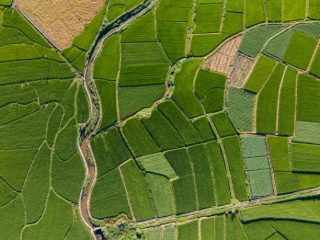
Leasing agricultural land is a key mechanism for scaling crop production and optimizing farming operations without heavy initial capital investments.
Agricultural land leasing is primarily sought by commercial farmers, agricultural enterprises, and individual growers looking to expand their cultivable areas. Buyers lease land to secure fertile ground for crop cultivation, livestock grazing, or establishing orchards and greenhouses. The duration of lease agreements typically ranges from medium to long-term to justify the investment in soil improvement, crop rotation cycles, and local infrastructure.
When selecting land for lease, tenants evaluate critical parameters such as soil composition, humus content, pH levels, and historical crop yields. Access to water resources for irrigation, field topography, and proximity to paved roads or regional grain elevators significantly influence the land's utility and operational efficiency.
The lease rate is directly shaped by these agronomic characteristics, alongside regional market demand, field size, and lease duration. Typical lease prices range roughly from 204 to 274 USD per hectare annually. Legal clean title, clear boundary delineation, and registered easement rights are essential prerequisites that safeguard the lessee's operations and long-term business planning.
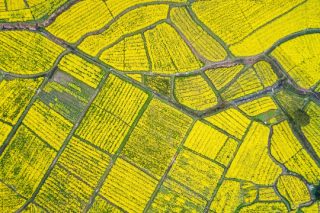
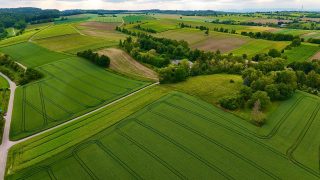
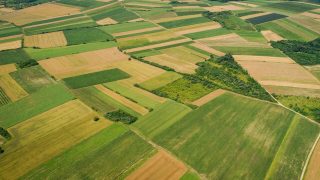
Agricultural land for lease is generally classified by its primary use: arable land for crop cultivation, pastures and hayfields for livestock feed, and perennial plantation land for orchards or vineyards. Arable land is the most sought-after due to its versatility and direct suitability for annual crop production.
Tenants prioritize topsoil depth, humus content, soil texture, and pH levels. Nutrient status, drainage efficiency, and the absence of stones or contaminants are also thoroughly assessed to determine suitability for specific crops.
Evaluating multi-year crop yield records, historical fertilizer application logs, and satellite imagery analysis helps assess land performance. Additionally, soil testing in certified laboratories provides a scientific baseline of the current nutrient profile.
The lease price is primarily driven by soil fertility, irrigation accessibility, field size, and geographic location. Proximity to transport corridors and major storage facilities, along with local market competition, also play a decisive role in pricing, which typically averages around 204 to 274 USD per hectare annually.
Lease terms usually vary from 5 to 7 years for annual field crops to support standard rotation cycles, and can extend up to 25 years or more for perennial crops. Long-term leases ensure that investments in soil enhancement and irrigation infrastructure are fully amortized.
A valid lease requires proof of ownership, state land registry records, detailed plot cadastral plans, and soil quality certificates. It is also crucial to verify that the land is free from active mortgages, disputes, or overlapping third-party claims.
Common errors include failing to conduct independent soil and water testing before signing, neglecting to register the lease in the official state registry, and omitting clear clauses on compensation for land improvements. Tenants should also define terms for lease renewal and early termination to mitigate operational risks.