Sell
Operating farms represent fully functional agricultural enterprises with established infrastructure, land assets, and active production cycles.

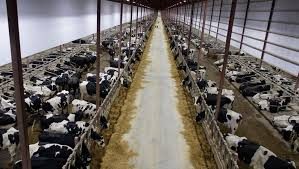
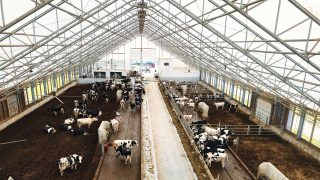
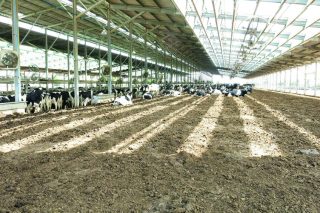
Acquiring an operating farm is a strategic investment that allows buyers to bypass the complex setup phase of agricultural businesses. These assets typically include arable land, specialized machinery, processing facilities, livestock, and active contracts. The market encompasses various types of enterprises, from crop-growing farms and dairy operations to intensive greenhouse complexes and orchards.
The valuation of an operating farm depends heavily on the quality of its land, soil fertility indices (such as the bonitet score), irrigation access, and the condition of physical infrastructure. Legal audits are crucial, ensuring clear land titles, long-term lease agreements, and compliance with local environmental regulations. Operational history, crop yield records, and financial performance over the past three to five years form the basis for evaluating future profitability.
The main types include arable crop farms (grains, oilseeds), livestock and dairy farms, orchards/vineyards, and greenhouse operations. Each type requires specific infrastructure, machinery, and management expertise.
Key parameters include soil quality (fertility, pH levels, and erosion), irrigation capacity, and the age and condition of machinery and buildings. It is also vital to check the reliability of power grids and access roads.
Farms with privately owned land command significantly higher prices than those operating on lease agreements. For leased lands, the remaining duration of the leases and the terms of renewal are critical price factors.
A transaction requires land titles or lease registry extracts, cadastral maps, equipment registration, environmental permits, and audited financial statements for the past 3–5 years. Corporate registration documents are also needed if purchasing the legal entity.
A common mistake is overlooking the legal audit of lease contracts or failing to verify soil contamination and water rights. Buyers also frequently underestimate the working capital needed to sustain the current agricultural cycle.
The transaction is best executed during the off-season, typically late autumn or winter, when field operations are minimal. This allows for a clean transition of agricultural cycles and time to plan the upcoming spring sowing.
In the market, fully equipped farms with small-to-medium land banks are valued starting from around 640,000 USD, with prices scaling based on asset quality. The final cost is determined by the size of the land bank, machinery deprecation, and storage infrastructure.