Cereals: Agricultural Classification and Quality Standards
Cereals form the backbone of global agriculture, serving as essential food sources, animal feed, and industrial raw materials.
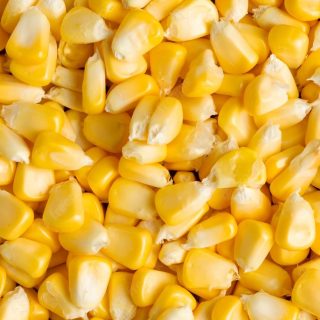
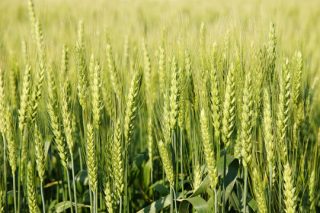
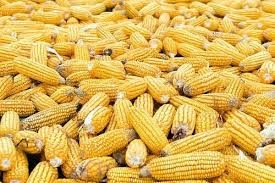
Cereals, including wheat, barley, corn, oats, and rye, are the primary agricultural commodities traded worldwide. They are classified into food-grade and feed-grade categories based on physical and chemical properties. The global market currently sees a steady supply of grain crops (with around 27 standard trade configurations available), with wholesale prices generally ranging from 167 to 270 USD per ton depending on the specific crop, grade, and delivery terms.
Key Quality Metrics and Utilization
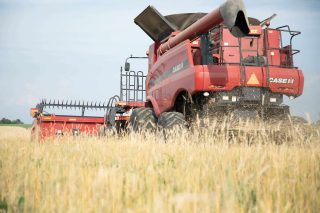
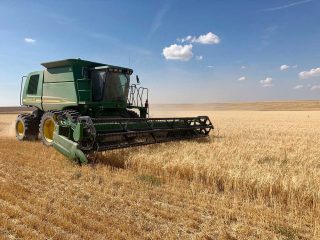
The value of cereal crops is determined by standard parameters such as moisture content, test weight, protein percentage, and foreign material. Food-grade grains require higher protein levels and minimal impurities, whereas feed-grade grains focus on energy value and safety. Proper post-harvest handling, drying, and aeration are critical to maintaining these quality parameters during storage and transport.
What are the main types of agricultural cereals?
The primary traded cereals include wheat, barley, corn (maize), rye, and oats. They are generally categorized into food-grade grains for human consumption and feed-grade grains for livestock nutrition.
What are the key quality parameters for cereals?
Critical quality factors include moisture content (typically target is under 14% to prevent spoilage), protein content, test weight (bulk density), and the percentage of damaged kernels or foreign matter.
What should buyers check when purchasing cereals in bulk?
Buyers should inspect the grain's moisture level, smell (to rule out mold or mustiness), infestation status, and request official laboratory test results. It is also important to verify the uniformity of the grain size and color.
What factors influence the market price of cereals?
Prices are driven by global supply and demand dynamics, grain grade, protein and moisture levels, seasonal harvest volume, and logistics costs. Currently, standard market prices fluctuate between 167 and 270 USD per ton.
What are the typical industrial uses of different cereal grades?
High-grade cereals are milled into flour for baking, processed into groats, or used in brewing and distilling. Lower-grade and feed-grade grains are primarily utilized in animal feed production and biofuel processing.
What are the best practices for storing and transporting cereals?
Grains must be stored in dry, well-ventilated silos with continuous temperature monitoring to prevent hot spots and insect proliferation. Transport requires clean, moisture-sealed bulk carriers or hopper cars.
Which documents are required for buying or selling cereals?
Standard transactions require a certificate of quality (or laboratory analysis report), phytosanitary certificates for export, fumigation certificates, and commercial documents like invoices and bills of lading.
What are common mistakes when buying or selling grain?
The most common errors include neglecting moisture checks, which leads to mold during storage, and relying on visual inspection alone without formal lab tests for protein and gluten content.