Sell
Legumes are a vital category of agricultural crops valued worldwide for their high protein content, soil-enriching properties, and diverse food and feed applications.
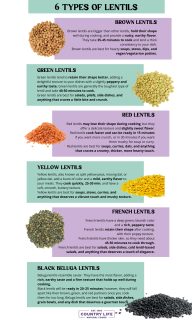
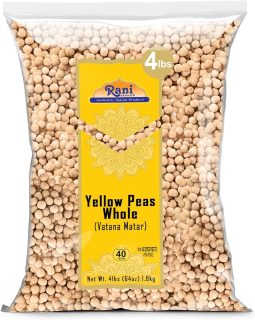
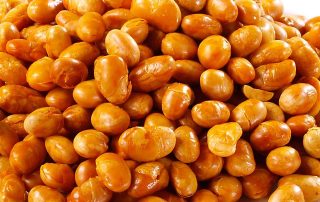
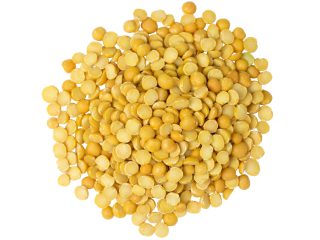
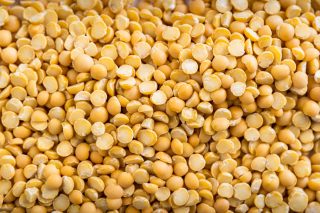
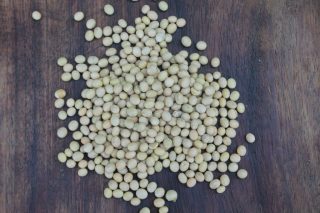
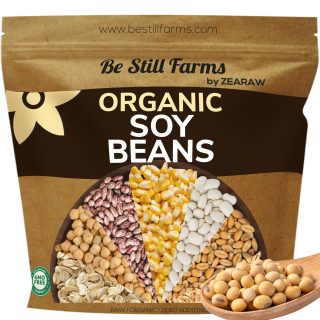
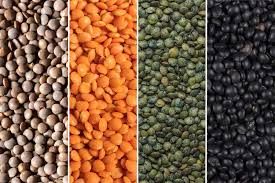
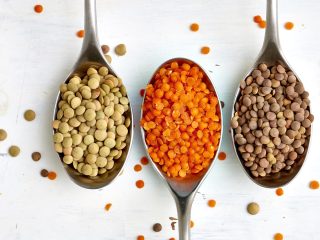
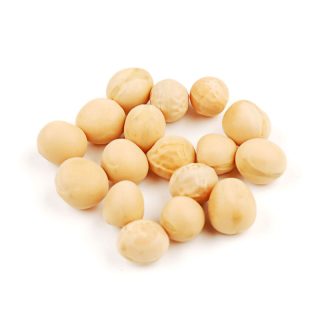
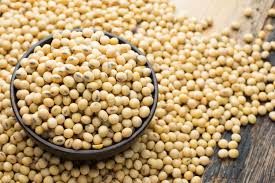
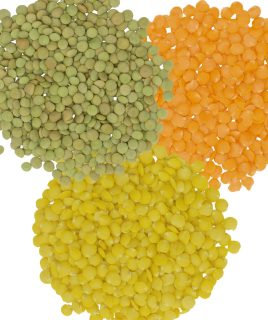
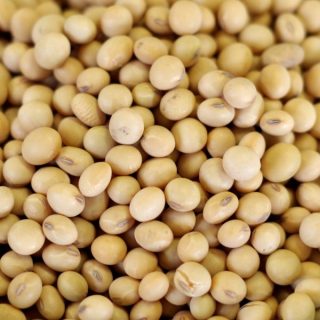
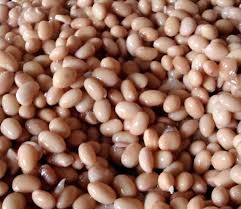
Legumes, including peas, chickpeas, lentils, beans, and soybeans, form the cornerstone of sustainable agriculture and global food security. These crops are highly valued for their nutritional profile, particularly their high protein and fiber content, making them essential for both human consumption and animal feed formulation. From an agronomic perspective, legumes play a critical role in crop rotation due to their unique ability to fix atmospheric nitrogen, which naturally improves soil fertility and reduces the need for synthetic fertilizers.
The commercial value of legumes is determined by their grade, which is defined by seed size, color uniformity, moisture content, and the percentage of damaged or split grains. Grade 1 or food-grade legumes require minimal impurities, high purity levels, and uniform sizing, making them suitable for direct packaging and canning. Lower grades are typically directed toward animal feed production or industrial processing. Key quality metrics include moisture levels (ideally below 14% to prevent mold) and the absence of pest infestation or chemical residues.
Wholesale prices of legumes fluctuate based on international demand, seasonal harvest yields, and cleaning standards. Crop purity and sorting quality (such as optical sorting) significantly increase the final price, as buyers prioritize clean, calibrated goods that require no additional processing before packaging.
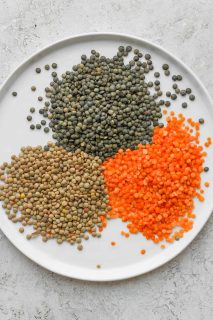
The primary commercial legumes include yellow and green peas, red and green lentils, chickpeas (kabuli and desi types), soybeans, and various dry beans such as kidney, pinto, and white beans. Each type is categorized by its culinary use, seed size, and processing requirements.
Key parameters include moisture content (typically target is 12-14%), purity level (percentage of weed seeds and inert matter), percentage of split or broken seeds, color uniformity, and the absence of live pests or mold.
Optical sorting removes discolored seeds, stones, and foreign matter, ensuring high purity and visual uniformity. Sorted legumes meet premium food-grade standards (Grade 1) and command significantly higher market prices than unsorted or machine-cleaned lots.
Prices are primarily driven by seasonal crop yields in major producing regions, global export demand, shipping costs, and specific quality metrics like seed calibration and purity. Currently, wholesale prices generally range from 277 to 803 USD per ton depending on the crop type and processing level.
Legumes must be stored in dry, well-ventilated grain bins or warehouses with moisture levels below 14% and temperatures under 20°C to prevent insect infestation and rancidity. During transit, they must be protected from humidity, condensation, and temperature fluctuations.
Wholesale trade and export of legumes require a phytosanitary certificate, a certificate of origin, a quality certificate detailing physical parameters (moisture, impurities, grading), and a non-GMO certificate if applicable.
Common mistakes include neglecting to verify moisture levels (which leads to spoilage during storage) and ignoring seed size calibration. Inconsistent seed size results in uneven cooking times, which reduces the value for food processors.