Sell
Farmland is the foundational asset of agriculture, determining the productivity and viability of crop production and livestock farming.
Farmland is classified primarily by its suitability for specific agricultural activities, including arable land for annual crop cultivation, permanent pastures for livestock grazing, and orchards or vineyards for perennial crops. The quality and value of agricultural land depend on critical soil properties such as humus content, texture, acidity (pH level), and nutrient availability, alongside geographical factors like topography and access to reliable water sources.
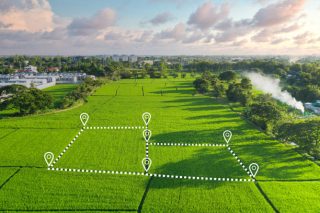
When assessing agricultural land, buyers must verify the legal status, land boundaries, and potential environmental restrictions, such as protection zones or contamination history. The market price of farmland is influenced by soil fertility indices, regional climate conditions, infrastructure accessibility, and the availability of irrigation systems, which directly affect the potential yield and return on investment.
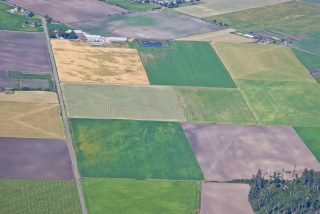
Farmland is divided into arable land (for annual crops), perennial plantations (orchards and vineyards), and pastures or hayfields (for livestock forage).
Key indicators include soil structure, depth of the fertile layer, humus content, pH level, and water-retention capacity. These parameters determine which crops can be successfully grown and what fertilizer inputs will be required.
Prices are driven by soil fertility, geographic location, access to irrigation, parcel size and consolidation, climate risks, and proximity to transport links and crop storage facilities.
It is essential to verify the land registry records, ownership title history, soil test reports, boundaries, existence of easements, and any environmental or zoning restrictions.
High-fertility soils are typically reserved for intensive crop farming, while sloping, less fertile, or rocky terrains are used for permanent pastures, forestry, or specialized perennial plantings.
Transactions require a valid title deed, cadastral registration certificate, official boundary plan, and recent soil quality reports to confirm agricultural usability.
A frequent error is overlooking water rights and access to irrigation, which can severely limit crop selection and lower potential yields regardless of soil fertility.
Regional precipitation patterns, average temperature ranges, and the length of the growing season dictate crop selection and determine whether double-cropping or winter cover crops are viable.