Sell
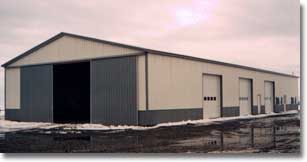
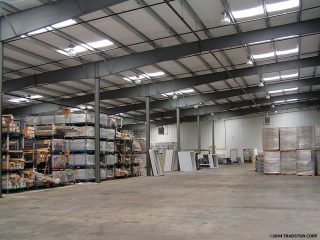
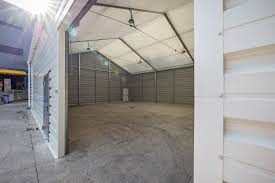
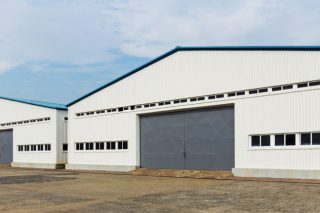
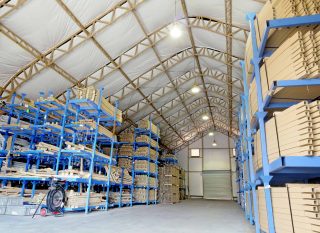
Agricultural warehouses are specialized structures designed to preserve crops, equipment, and agricultural inputs under controlled environmental conditions.
Agricultural warehouses play a critical role in the supply chain by preventing post-harvest losses and maintaining the quality of agricultural products. These facilities range from simple grain hangars and vegetable storage units to sophisticated, climate-controlled cold storage complexes. The choice of a warehouse depends on the specific requirements of the stored commodity, such as temperature, humidity, and ventilation needs.
When evaluating agricultural storage facilities, key parameters to consider include structural integrity, thermal insulation, ventilation capacity, and pest control provisions. Properly designed warehouses must prevent moisture ingress, ensure adequate airflow to prevent spoilage, and allow for efficient loading and unloading operations. High-quality facilities also feature durable flooring capable of handling heavy machinery and bulk loads without cracking.
The valuation and utility of agricultural warehouses are influenced by their location, accessibility to transport routes, utility connections, and the level of automation. Modern facilities equipped with automated monitoring systems, automated aeration, and climate control command higher prices but offer superior preservation rates, making them a vital long-term investment for farmers and distributors.
The primary types include granaries (silos and flat storage), vegetable and fruit stores with climate control, cold storage facilities for perishables, and general-purpose warehouses for machinery, fertilizers, or packaged goods.
Key parameters include effective natural or forced ventilation, complete moisture isolation, pest-proof structural elements, and reinforced flooring designed for high bulk pressure.
Assess the specific storage requirements of your crops, check the condition of the ventilation and roofing, evaluate transport accessibility, and ensure the availability of necessary utility capacity.
Price is primarily determined by location, total storage capacity, the presence of specialized climate-control or ventilation equipment, structural materials, and access to utilities.
They are commonly used for storing packaged seeds, mineral fertilizers, crop protection products, spare parts, and agricultural machinery during the off-season.
You need proof of ownership, land registration documents, technical passport, building permits or commissioning certificates, and compliance certificates for environmental and fire safety standards.
Common mistakes include ignoring insulation quality, selecting a facility with insufficient electrical capacity for drying equipment, and failing to verify the load-bearing capacity of the floor.
Demand peaks during harvest seasons when rapid storage is crucial, while off-season usage shifts toward maintenance, seed storage, and preparing inputs for the next planting cycle.