Sell
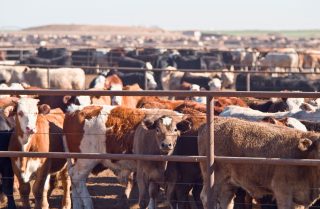
Livestock represents a vital sector of agriculture, encompassing domesticated animals raised for meat, milk, wool, and breeding purposes.
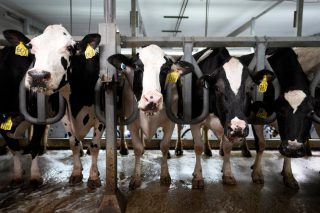
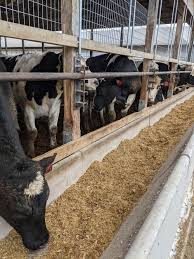

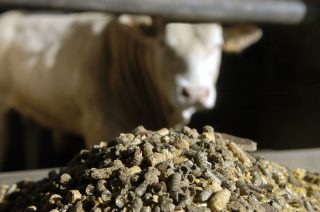
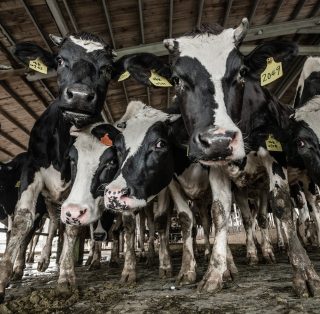


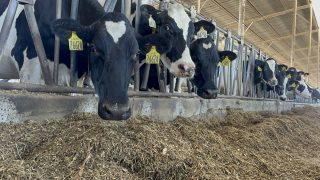

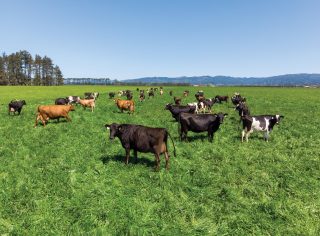
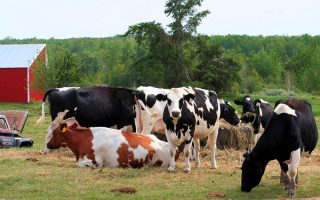
Livestock refers to agricultural animals bred for production and utility, including cattle, pigs, sheep, goats, and poultry. These animals are categorized by their primary purpose, such as dairy, beef, draft, or dual-purpose breeds. The market value and grade of livestock depend heavily on genetics, age, health status, and live weight, which determine their suitability for farm expansion or processing.
When purchasing livestock, professional breeders assess physiological parameters such as body condition score (BCS), dental wear for age estimation, and structural soundness of the limbs. Breeding animals require detailed pedigree charts and genetic evaluations, whereas market livestock is evaluated primarily on fat cover, muscling, and average daily gain potential. Proper transport planning and seasonal acclimation are also crucial to minimize transport stress and prevent weight loss.
Livestock is generally classified into breeding stock (genetically superior animals for herd replacement), production animals (raised for milk, wool, or eggs), and feeder or slaughter stock (destined for meat production).
Dairy cattle are graded based on milk yield history, udder conformation, and pedigree. Beef cattle quality depends on breed, body conformation, muscling depth, and estimated fat cover.
Buyers must inspect the animal's eyes, skin, coat quality, and movement to ensure there are no signs of lameness, respiratory distress, or parasites. It is also critical to verify the teeth to confirm the animal's age matches the seller's claim.
The price is primarily driven by the animal's breed, age, weight, health status, and genetic pedigree. Market supply and demand, seasonal feed availability, and transport distances also play significant roles in final pricing.
Essential documents include veterinary health certificates, vaccination records, proof of ownership or breeding registration, and transport permits. Depending on the region, individual ear tags or electronic identification chips are also legally required.
Animals should be transported in clean, well-ventilated, and slip-resistant vehicles designed for their specific size. Adequate space, access to water before loading, and avoiding transport during extreme temperature peaks help reduce stress and injury risks.
A frequent error is buying animals without checking their veterinary history or genetic records, which can introduce diseases to an existing herd. Another mistake is neglecting quarantine protocols for newly arrived stock, risking cross-contamination.