Sell
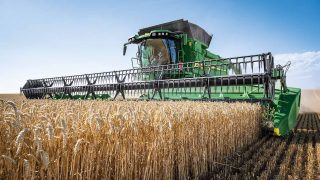
Combine harvesters are versatile machines designed to efficiently harvest, thresh, and clean a wide variety of grain crops in a single operation.
Modern combine harvesters are the cornerstone of high-efficiency agriculture, combining three separate operations—reaping, threshing, and winnowing—into a single process. They are categorized primarily by their threshing mechanism into conventional (drum and straw walkers), rotary, and hybrid systems. Each configuration is optimized for specific crop types, moisture levels, and field conditions, enabling farmers to minimize grain loss and maximize harvest speed.
When evaluating a combine, key parameters such as engine horsepower, grain tank capacity, and threshing system type dictate the machine's overall productivity. Additionally, buyers must assess the machine's mechanical wear, particularly on the rotor or cylinder, concave, and augers. Pricing for these machines is highly variable, with high-quality models typically ranging from $140,000 to $335,000 depending on their technical condition, operational hours, year of manufacture, and included header attachments.
The three main types are conventional (ideal for straw preservation and damp conditions), rotary (suited for high-capacity harvesting in dry conditions), and hybrid (combining elements of both for maximum versatility).
Key parameters include engine hours versus thrashing hours, the wear level of the threshing drum or rotor, the state of the hydraulic system, and the integrity of the grain tank augers. Excessive wear on these components can lead to costly post-purchase repairs.
Price is primarily driven by the machine's age, total engine and threshing hours, engine horsepower, and technological features like GPS guidance or yield mapping. The inclusion of specialized headers (e.g., grain, corn, or draper headers) also significantly affects the final cost.
Combines are used to harvest a wide range of crops including wheat, barley, oats, rye, corn, soybeans, and canola by swapping the header attachment. They cut the crop, separate the grain from the chaff, and store the clean grain until it is discharged.
It must be thoroughly cleaned to remove organic residue that attracts moisture and rodents, followed by lubrication of all grease points. Storing the machine in a dry, covered shed and removing the headers helps prevent rust and electrical component degradation.
A common mistake is buying a machine that is mismatched with the farm's acreage or tractor capacity, leading to either underutilization or bottlenecking. Buyers also frequently overlook the difference between engine hours and threshing hours, which reveals the true mechanical workload of the harvesting system.
Essential documentation includes the manufacturer's technical passport, registration certificate, proof of ownership or sales contract, and emission compliance certificates where applicable. If buying used, a certified technical inspection report is highly recommended to verify safety and mechanical integrity.