Sell
Maintaining agricultural equipment in peak working condition requires a deep understanding of spare parts, their compatibility, and quality standards.
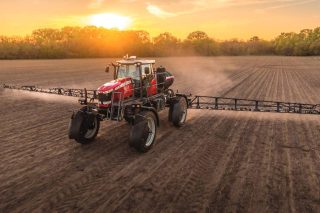
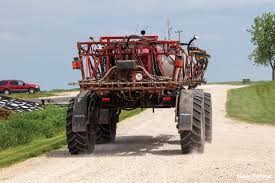
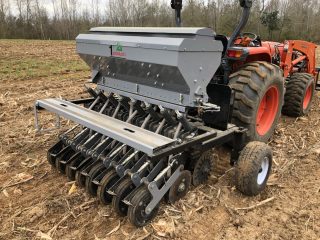
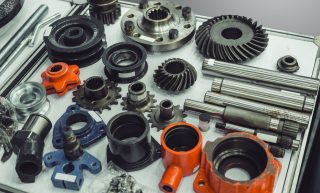
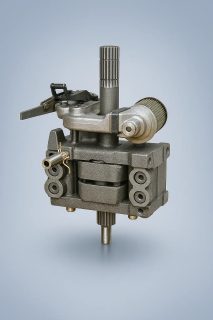
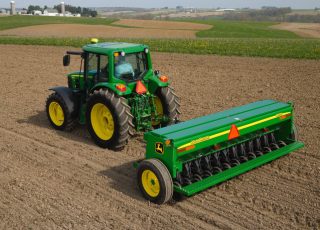

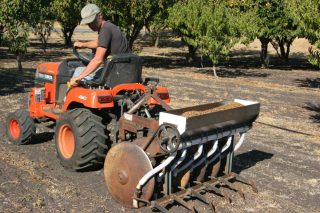
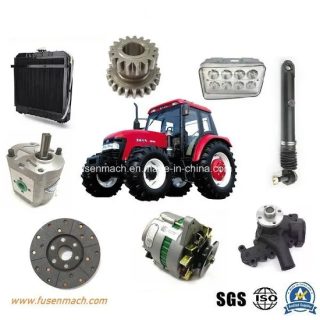
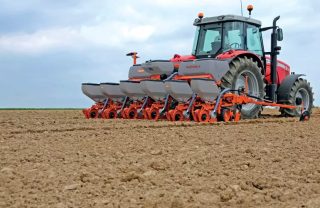
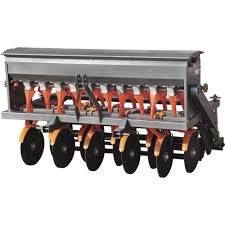
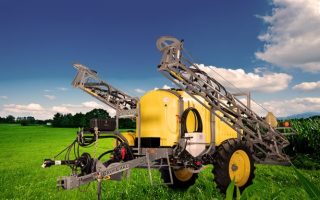
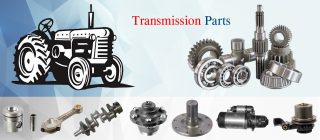

Agricultural machinery operates under extreme loads, high dust levels, and varying weather conditions, making the timely replacement of wear parts critical for minimizing downtime. The market for agricultural spares is diverse, encompassing components for engines, hydraulic systems, transmissions, and specialized attachments for tractors, combines, and seeders. Components range from simple items like bolts and filters to advanced electronic modules and complete motor assemblies, with prices starting from 1 USD up to 95,504 USD for complex mechanical systems.
When selecting agricultural parts, the choice between Original Equipment Manufacturer (OEM) parts and high-quality aftermarket alternatives is paramount. Wear parts, such as plowshares, discs, and cultivator tines, demand high-grade alloys like boron steel to resist abrasion and mechanical stress. Buyers must verify exact compatibility using part catalog numbers, check dimensional tolerances, and ensure that critical components like bearings or high-pressure hoses have corresponding quality and conformity certificates.
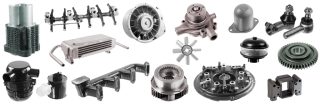
Agricultural parts are broadly divided into engine and transmission components, hydraulic systems, electrical equipment, and high-wear tillage or harvesting attachments. Each category has specific manufacturing standards, from high-precision machining for engines to specialized heat treatment for tillage tools.
For tillage parts like plowshares and discs, the steel grade and hardness are crucial, with boron steel being the industry standard for durability. Resistance to impact and abrasive wear determines the component's operational lifespan under harsh soil conditions.
Always verify the part using the manufacturer's original equipment (OEM) number from the official parts catalog for your specific machinery model. Cross-referencing dimensions and checking compatibility lists helps prevent mismatches, especially when purchasing aftermarket alternatives.
Pricing is primarily determined by whether the part is OEM or aftermarket, the complexity of its design, and the materials used. Additionally, manufacturing location, shipping logistics, and compliance with international quality standards like ISO significantly impact the final price.
Wear parts such as knives, fingers, and belts should be inspected before each harvesting season and replaced if they show signs of thinning, cracking, or loss of edge. Timely replacement prevents catastrophic component failures and maintains harvesting efficiency.
Precision parts, particularly hydraulic pumps, electronics, and bearings, must be stored in dry, temperature-controlled environments to prevent corrosion. Keeping components in their original sealed packaging with protective grease coatings is recommended.
Critical components should come with manufacturer quality certificates, conformity declarations, and warranty terms. For imported parts, customs clearance documentation and compliance with local machinery safety standards are also necessary.
Buying parts based solely on low price without verifying material specifications or manufacturer reputation often leads to premature failures. Ignoring OEM compatibility numbers and assuming all aftermarket parts are identical can result in costly machinery downtime.