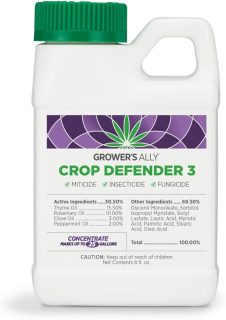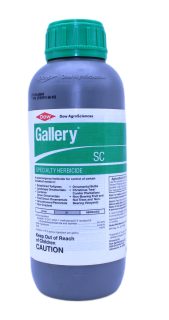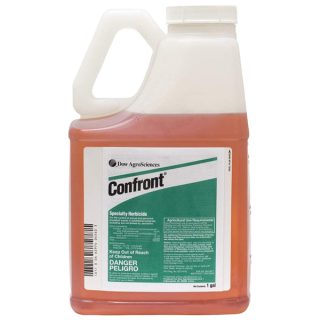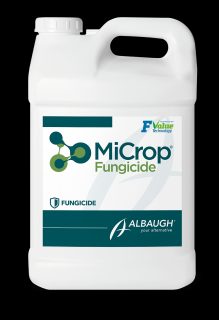
Sell
Crop protection encompasses a wide range of chemical and biological agents designed to safeguard agricultural crops from weeds, diseases, and pests.
Modern crop protection includes herbicides, fungicides, insecticides, and seed treatments that prevent yield losses and ensure crop quality. These substances are categorized by their origin (chemical or biological), mode of action (systemic or contact), and target organisms. Choosing the right formulation is essential for achieving optimal efficiency while minimizing environmental impact.
When purchasing crop protection agents, buyers must check the active ingredient concentration, expiration dates, and manufacturer certifications. Prices generally range from 7 to 39 USD per liter or kilogram, depending on the chemical composition, concentration, brand, and purchase volume. Proper storage conditions, such as temperature control, are critical to preserving the active properties of these products.
The primary categories are herbicides (against weeds), fungicides (against diseases), insecticides (against insect pests), and seed dressings (for early-stage protection). They can be chemical-based or biological formulations.
Buyers should verify the concentration of the active ingredient, formulation stability, expiration date, and the presence of official registration certificates. Purchasing from authorized distributors helps avoid crop damage from counterfeit products.
Systemic agents are absorbed by the plant and distribute throughout its tissues, protecting new growth. Contact agents work only where they physically touch the target pest or plant surface and can be washed off by rain.
Pricing is determined by the active ingredient concentration, manufacturing brand, synthesis complexity, formulation type, and transaction volume. Typical market prices vary between 7 and 39 USD.
Every product must have a state registration certificate, a certificate of analysis or quality from the manufacturer, and safety data sheets (SDS) detailing handling guidelines.
They must be stored in original sealed packaging within dedicated, dry, ventilated warehouses that maintain temperature ranges specified by the manufacturer, typically avoiding freezing temperatures.
Common mistakes include using expired products, ignoring compatibility guidelines for tank mixes, and choosing cheap, unregistered alternatives that lack proven efficacy.