Sell
Selecting high-quality seeds and appropriate agrochemicals is fundamental to achieving high crop yields and effective plant protection.
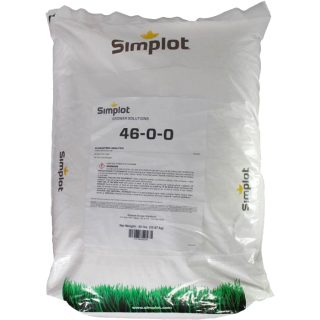
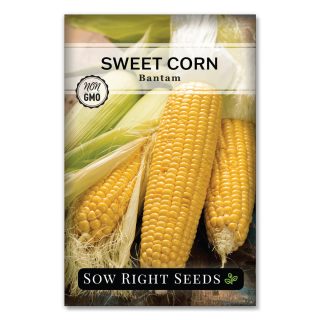
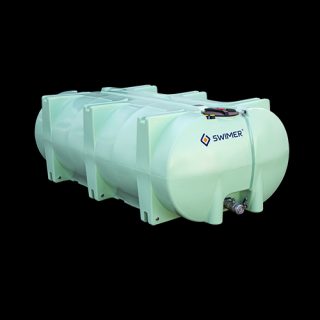
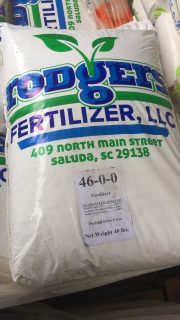
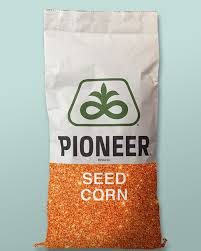
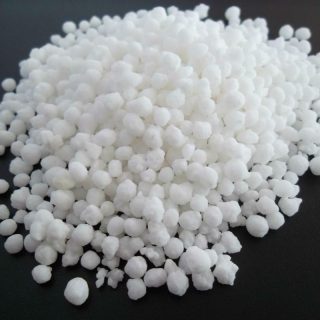
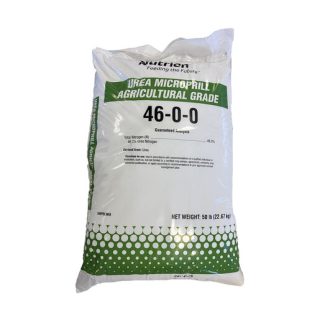
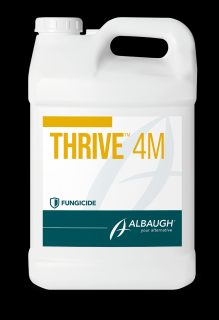
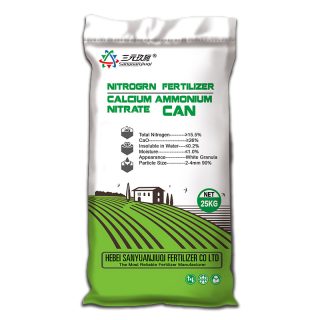
Seeds and agrochemicals represent the foundation of modern crop production, encompassing field and vegetable seeds, seedlings, seed potatoes, fertilizers, pesticides, and biological agents. The seed market distinguishes between elite reproductions, first-generation hybrids (F1), and standard reproductions. In crop protection and nutrition, products range from mineral fertilizers and micronutrients to selective herbicides, fungicides, and eco-friendly biologicals that target specific pests and diseases.
Evaluating agricultural inputs requires careful attention to germination rates, seed purity, and active ingredients. For seeds, the critical parameters include germination percentage, purity, and the weight of a thousand seeds (TSW). For agrochemicals, the key factors are the active ingredient concentration, the formulation type, and the hazard class. Market prices typically vary depending on the product type, starting from around 7 USD for simple adjuvants to 348 USD per unit for professional hybrids or complex systemic crop protection products.
Seeds are classified into field crops, vegetables, seedlings, and seed potatoes, while reproduction grades include elite, F1 hybrids, and first or second reproduction (RS-1, RS-2). Agrochemicals are categorized into fertilizers, micronutrients, adjuvants, and pesticides, including herbicides, fungicides, and insecticides.
The most critical parameters are germination rate (percentage of seeds that sprout), purity (absence of weed seeds and inert matter), and the weight of 1000 seeds (TSW), which helps calculate the exact seeding rate.
You must verify the active ingredient, its concentration, and the formulation type (such as emulsifiable concentrate or water-dispersible granules). These factors determine the application rate, safety, and compatibility with other products.
For maximum yield potential and disease resistance, first-generation (F1) hybrids or elite seeds are preferred. Standard reproductions (RS-1 or RS-2) are more cost-effective but may exhibit slightly lower vigor and genetic purity.
Prices are driven by genetic quality, manufacturer brand, active ingredient concentration, and packaging size. Generally, prices on the market range from 7 USD for basic adjuvants or micro-packs to 348 USD for premium hybrids and concentrated systemic crop protection formulas.
Seeds require an official label/etiquette and a certificate of varietal and sowing qualities. Agrochemicals must have a certificate of state registration, a batch quality certificate, and a safety data sheet (SDS).
Agrochemicals should be stored in dry, well-ventilated, temperature-controlled warehouses to prevent freezing or overheating. Seeds require low-humidity storage in breathable packaging to prevent mold, pest infestations, and loss of germination viability.
Common errors include buying uncertified products without verified active ingredients, neglecting state registration numbers, and ignoring shelf-life dates. Additionally, purchasing seeds without checking their germination rate or regional climate suitability often leads to crop failure.