Buy
Cereal crops form the global foundation of food security, animal husbandry, and various industrial processing sectors.
Wholesale procurement of cereal grains is driven by diverse actors, including flour mills, animal feed manufacturers, food processing plants, and international exporters. Each buyer selects specific grain types—such as wheat, barley, corn, or rye—based on their final product requirements, whether it is high-protein wheat for baking or energy-rich corn for livestock feed formulations.
Buyers evaluate cereal quality through strict laboratory parameters, prioritizing moisture content, protein levels, test weight, and foreign matter percentages. Current wholesale market prices typically range from 171 to 258 USD per ton, though final contract values depend heavily on the grain class, crop year, volume, and logistical arrangements.
Successful trade relies on maintaining optimal storage conditions, such as controlled aeration and temperature, to prevent spoilage. Sellers must also provide appropriate phytosanitary certificates, quality passports, and origin documents to guarantee compliance with regional and international safety regulations.
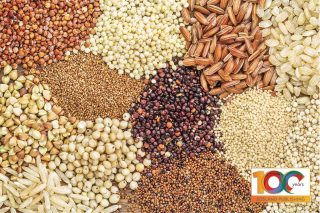
The major traded cereals include wheat (classified into food and feed grades), barley (for malting and animal feed), corn, rye, oats, and millet. Each type is categorized by class, grade, and suitability for specific processing industries.
Buyers primarily analyze moisture content (typically max 14%), protein and gluten levels, test weight (bulk density), and the percentage of foreign and grain impurities. High infestation levels or presence of mycotoxins will result in rejection or heavy discounts.
The selection depends on the intended end-use. Food-grade processing, like baking, requires wheat with high gluten quality and protein, whereas animal feed manufacturers prioritize energy content and allow lower protein specifications.
Wholesale grain prices are driven by global supply and demand balances, energy costs, crop yields, class quality, and logistics. Current average prices range from 171 to 258 USD per ton, varying based on shipment volume and region.
Cereals are utilized for human food production (flour, bread, pasta, groats), animal feed manufacturing, and industrial processing into starch, ethanol, or syrups. Some specialized varieties, like malting barley, are dedicated to the brewing industry.
Grain must be stored in dry, well-ventilated elevators or silos with a moisture level below 14% and temperature controls to prevent heating and insect pest activity. During transport, moisture protection and cleanliness of containers are critical to preserve quality.
Sellers must provide a declaration of conformity, quality certificates from accredited laboratories, and phytosanitary or quarantine certificates for transport. Export shipments also require certificates of origin and fumigation acts.
Common errors include neglecting pre-shipment laboratory analysis, failing to verify the crop year, and buying grain with high moisture content which leads to rapid spoilage during transport or storage.