
Sell
Oilseeds are a crucial class of agricultural crops cultivated primarily for the extraction of edible and industrial vegetable oils and high-protein meal.
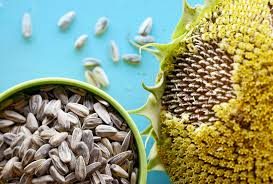
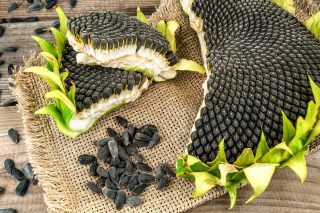



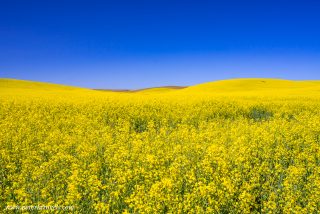

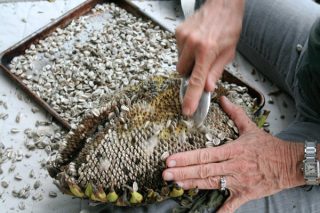

Oilseeds encompass a diverse group of crops, including sunflowers, soybeans, rapeseed, flax, and mustard, which serve as the foundation for global vegetable oil production and animal feed manufacturing. These crops are classified by their oil yield, fatty acid profile, and protein content. Processing facilities evaluate raw oilseeds based on strict physical and chemical properties to determine their suitability for refining or pressing.
The commercial value of oilseed shipments is heavily determined by their oil content, moisture levels, and impurity margins. Edible oil production requires low acidity and minimal erucic acid (particularly in rapeseed), while the remaining seed cake and meal are utilized as high-protein components in livestock feed. Proper storage at controlled moisture levels—typically between 6% and 9% depending on the crop—is essential to prevent spoilage and auto-heating during transit.
Sunflower seeds, soybeans, rapeseed (canola), flaxseed, and mustard seeds are the most widely traded oilseeds. Each crop has distinct climatic requirements, oil yields, and fatty acid compositions suitable for different food or industrial uses.
Buyers must evaluate oil content, moisture percentage, acid value of the oil, and the share of organic and mineral impurities. High moisture and impurity levels promote mold growth and reduce oil yield during processing.
Select seeds with high oil content (e.g., above 44% for sunflower seeds) and low moisture (ideally below 8%). It is also vital to check the acid value, which indicates the freshness of the seeds and the oil's stability.
Prices are driven by global supply and demand, crop yields, and specific quality parameters like oil and moisture levels. Typical market prices range between 411 and 500 USD per ton depending on the specific seed variety and delivery terms.
The primary application is the extraction of vegetable oils for human consumption, biofuels, and industrial lubricants. The byproduct of extraction—oil cake or meal—is a valuable, protein-rich feed ingredient for poultry and livestock.
Oilseeds must be stored in clean, dry, well-ventilated grain elevators with a moisture level of 7-8% for sunflower and 8-9% for rapeseed. Temperature must be monitored continuously to prevent spontaneous heating and fungal contamination.
Transactions require phytosanitary certificates, certificates of origin, quality analysis documents specifying oil and moisture content, and bills of lading. For shipments to the EU, non-GMO certificates or specific sustainability declarations (e.g., ISCC) may also be mandatory.
The most common mistake is overlooking the percentage of damaged or sprouted seeds, which drastically increases the acid value of the oil. Relying only on visual inspection without laboratory tests for oil and moisture content can also lead to financial losses.