Sell
Company
High-quality animal feed is the foundation of successful livestock farming, directly affecting the health, growth, and productivity of animals and poultry.
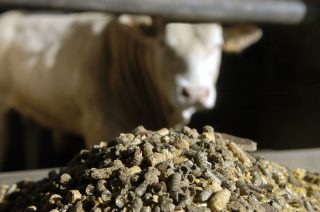
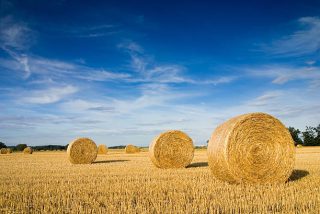
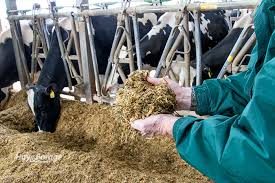
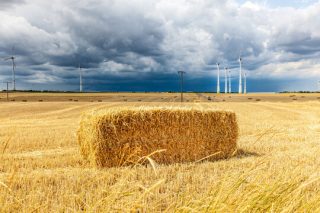
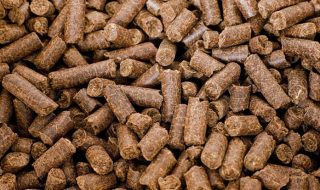
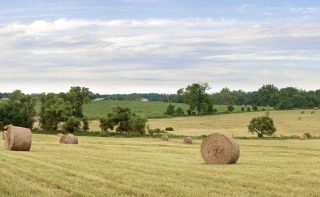
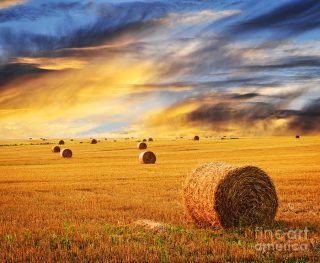
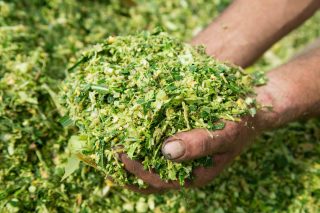
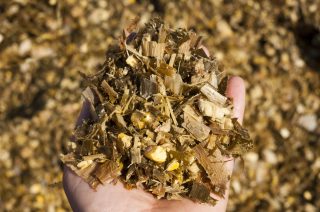
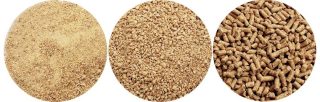
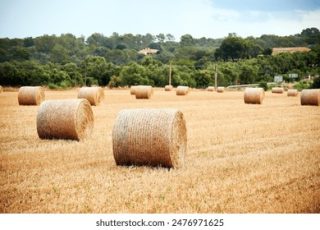
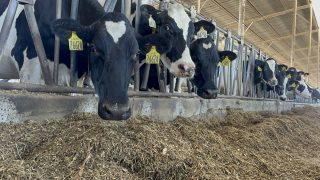
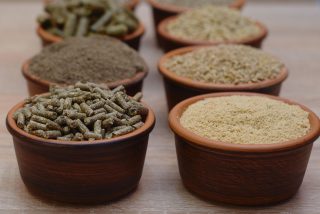
Agricultural feed includes a wide range of products designed to meet the nutritional needs of livestock, poultry, and aquaculture. These products range from basic roughage like hay and straw, to concentrated feeds, grain mixes, and complete compound feeds enriched with vitamins, minerals, and amino acids. Depending on the target animal group, feed is formulated to optimize growth, milk yield, egg production, or meat quality.
The nutritional value and safety of feed are determined by critical parameters such as crude protein content, fiber levels, moisture, and the absence of harmful toxins or pathogens. The global and regional markets offer a diverse selection of feed products, with current prices varying widely from 30 USD to 314 USD per ton, depending heavily on the ingredients, processing level, and nutrient concentration. Choosing the right feed requires a careful balance between nutritional requirements and economic viability.
Feed is generally classified into roughage (hay, silage, straw), concentrates (grains, oilseed meals), and complete compound feeds (pelleted or mash). Complete feeds are formulated for specific animal species and age groups to cover all their nutritional needs.
Key parameters include protein level, energy value (metabolizable energy), fiber content, moisture (typically under 12-14% for storage), and toxicological safety, specifically checking for mycotoxins and heavy metals.
Buyers should verify the raw material composition, check for a feed analysis report from a certified laboratory, inspect the physical appearance (smell, color, presence of mold), and ensure the particle size is suitable for the specific animal.
The price is primarily driven by the cost of protein sources (such as soybean or sunflower meal), seasonal grain harvests, energy costs for processing (like pelleting), and transport logistics.
Feed should be stored in dry, well-ventilated facilities at low humidity to prevent mold growth and insect infestation. Bulk feed is best kept in clean silos, while bagged feed should be stored on pallets off the floor.
Purchases should be accompanied by a veterinary certificate, a quality certificate stating the exact nutrient composition, and test reports confirming safety regarding toxicity and pesticides.
The most common mistake is buying feed based solely on the lowest price without checking the actual protein digestibility and nutrient analysis. Additionally, failing to verify moisture levels can lead to rapid spoilage during storage.
Depending on the nutritional value, processing level, and ingredient quality, market prices typically range from 30 to 314 USD per ton.