Sell
Company
Fertilizers are essential substances applied to soils or plant tissues to supply one or more nutrients critical for growth and crop yield.
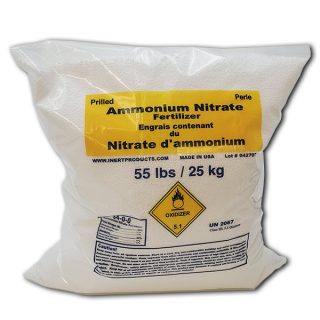

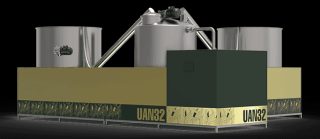
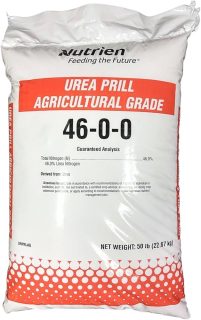
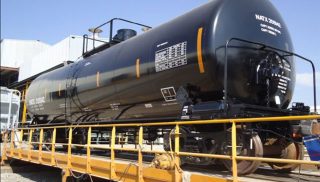
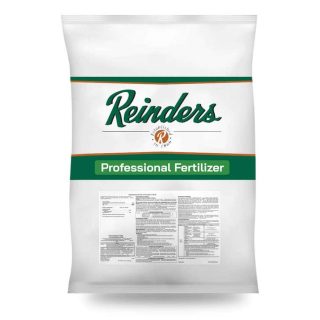

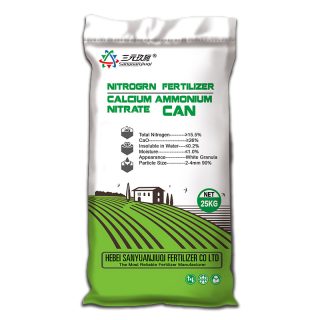
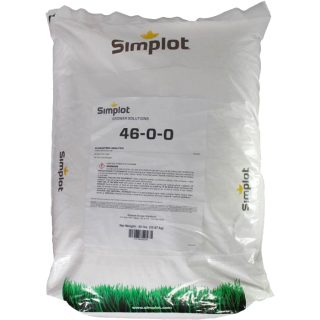
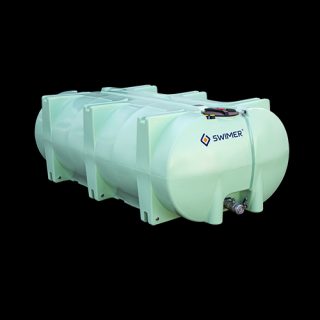
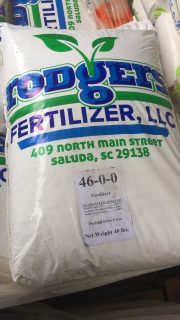
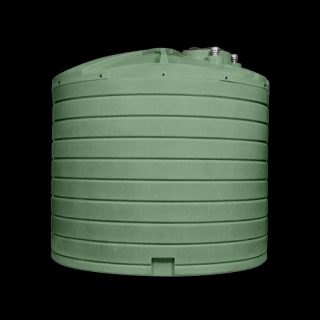
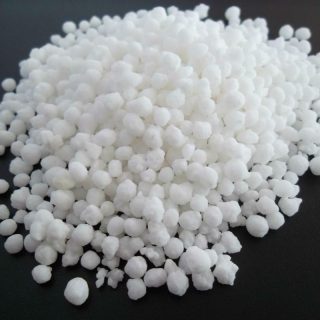
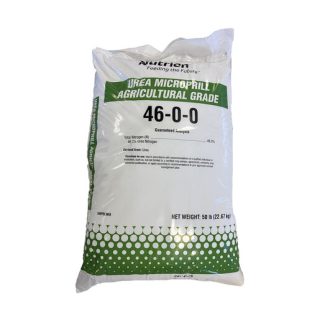
Mineral and organic fertilizers play a fundamental role in modern agriculture by replenishing essential nutrients in the soil. Mineral options are categorized into nitrogen (like urea and ammonium nitrate), phosphorus (such as superphosphate), and potassium-based nutrients, alongside complex NPK mixtures. Each type is formulated to address specific soil deficiencies and crop requirements at different vegetative stages.
The market value of fertilizers is highly dependent on the concentration of active nutrients, chemical purity, and granular stability. Currently, the wholesale market offers a variety of choices, with roughly 16 distinct product grades or supply channels regularly available, and prices for standard grades averaging between 302 and 348 USD per ton. Seasonal demand, raw material costs (primarily natural gas for nitrogen production), and logistics play a key role in final pricing.
When purchasing, buyers must evaluate the physical properties of the granules, such as size uniformity and moisture content, to prevent caking during storage. Verifying manufacturer certificates of analysis is crucial to ensure the actual nutrient content matches the specified grade and complies with safety regulations.
They are divided into simple (nitrogen, phosphorus, potassium) and complex (NPK) fertilizers. Common forms include ammonium nitrate, urea, double superphosphate, and potassium chloride.
The most critical factors are the percentage of active nutrients (e.g., total nitrogen or potassium oxide content), granular size uniformity, moisture levels, and anti-caking treatment quality.
Complex NPK formulations and highly concentrated simple fertilizers command higher prices. Additionally, the inclusion of microelements like boron or zinc increases the overall market value.
A buyer should request a certificate of quality (certificate of analysis), safety data sheets (SDS), and state registration documents. These verify nutrient levels, heavy metal compliance, and legal permission for agricultural use.
Granular fertilizers should be stored in dry, well-ventilated warehouses protected from direct sunlight and moisture. To prevent caking and chemical degradation, keep them in original sealed bags or bulk piles on pallets away from organic materials.
A common mistake is buying fertilizers based on price alone without checking the concentration of active ingredients or soil test results. Additionally, neglecting physical quality parameters like granulometry can cause issues during application.
Bulk fertilizers are highly sensitive to shipping costs due to their weight. Proximity to production facilities or major ports significantly affects the delivered price, making local logistics a major pricing factor.