
Sell
High-quality field crop seeds form the foundation of successful agricultural production, directly influencing crop yields and resistance to adverse factors.


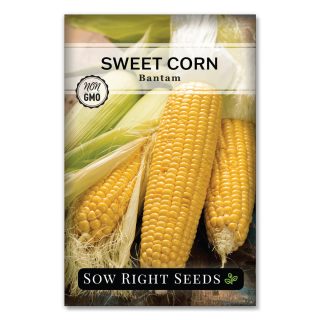
Field crop seeds encompass a wide range of agricultural plants, including cereals, oilseeds, legumes, and industrial crops. Depending on their generation and purpose, seeds are classified into super-elite, elite, and reproductive categories. Each category must meet strict state standards regarding varietal purity, germination rates, and moisture content to ensure optimal establishment and growth under various field conditions.
When selecting seed material, farmers evaluate critical quality parameters such as germination energy, purity, weight per thousand seeds, and disease resistance. The cost of field crop seeds is influenced by breeding costs, reproduction class, treatment quality (fungicide/insecticide coatings), and current market demand. Certified seed lots are accompanied by official laboratory certificates confirming their compliance with agricultural standards.
Seeds are divided into breeder seed, foundation (super-elite and elite) seed, and certified (reproductive) seed. Higher reproduction classes have greater yield potential and genetic purity but cost more.
The main indicators are germination rate (percentage of seeds that germinate), germination energy (speed of growth), varietal purity, moisture content, and the absence of weed seeds or pathogens.
Pre-treatment with fungicides, insecticides, and growth stimulants increases the cost but protects young shoots from early diseases and pests, ensuring more uniform emergence.
Always request a varietal certificate confirming the seed's origin and generation, as well as a quality certificate (or analysis report) indicating current germination and purity test results.
Seeds should be stored in dry, well-ventilated facilities with controlled humidity (usually below 13-14% depending on the crop) and protected from rodents and insect pests.
Prices depend on the crop type, breeding technology (hybrids vs. open-pollinated), reproduction level, seed treatment, and seasonal demand. High-yield hybrids of oilseeds and corn generally command higher prices.
A frequent error is buying uncertified seeds of unknown reproduction to save money. This often leads to low germination, uneven ripening, weed contamination, and a significant drop in overall yield.